Campus Fire Safety - A Year-Round Commitment – Not Just September
|
September is Campus Fire Safety Month.
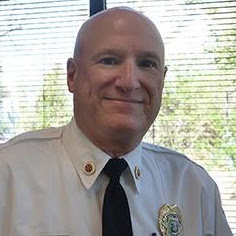
Alan Sactor CFPS, President, CCFS and University of Maryland Fire Marshal
NFPA and The Center for Campus Fire Safety urge students to make fire and life safety a priority during Campus Fire Safety Month
As move-in season brings students back to campuses nationwide, the National Fire Protection Association® (NFPA®) and The Center for Campus Fire Safety (CCFS) are launching this year’s Campus Fire Safety Month campaign to help create safer living environments in residence halls and off-campus housing. Observed each September, the campaign delivers fire safety education and resources to students, families, and campus housing professionals. This year, the initiative shines the spotlight on safe cooking practices and lithium-ion battery safety, two critical areas of concern that can help reduce fire risk where students live, study, and gather.
He adds: “Lithium-ion batteries are prevalent in the campus environment from laptops to research projects. College students rely on technology and many use micro-mobility devices every day. The batteries that power these devices can present safety hazards such as overheating, fire, or even explosions. Campus Fire Safety Month is a year-round commitment, and we will continue working to help educate all members of the college and university campus community on how to safely use, charge, and store, these devices to reduce the risk of fire.”
The History of Campus Fire Safety Month ... 2026 marks the 21st Anniversary
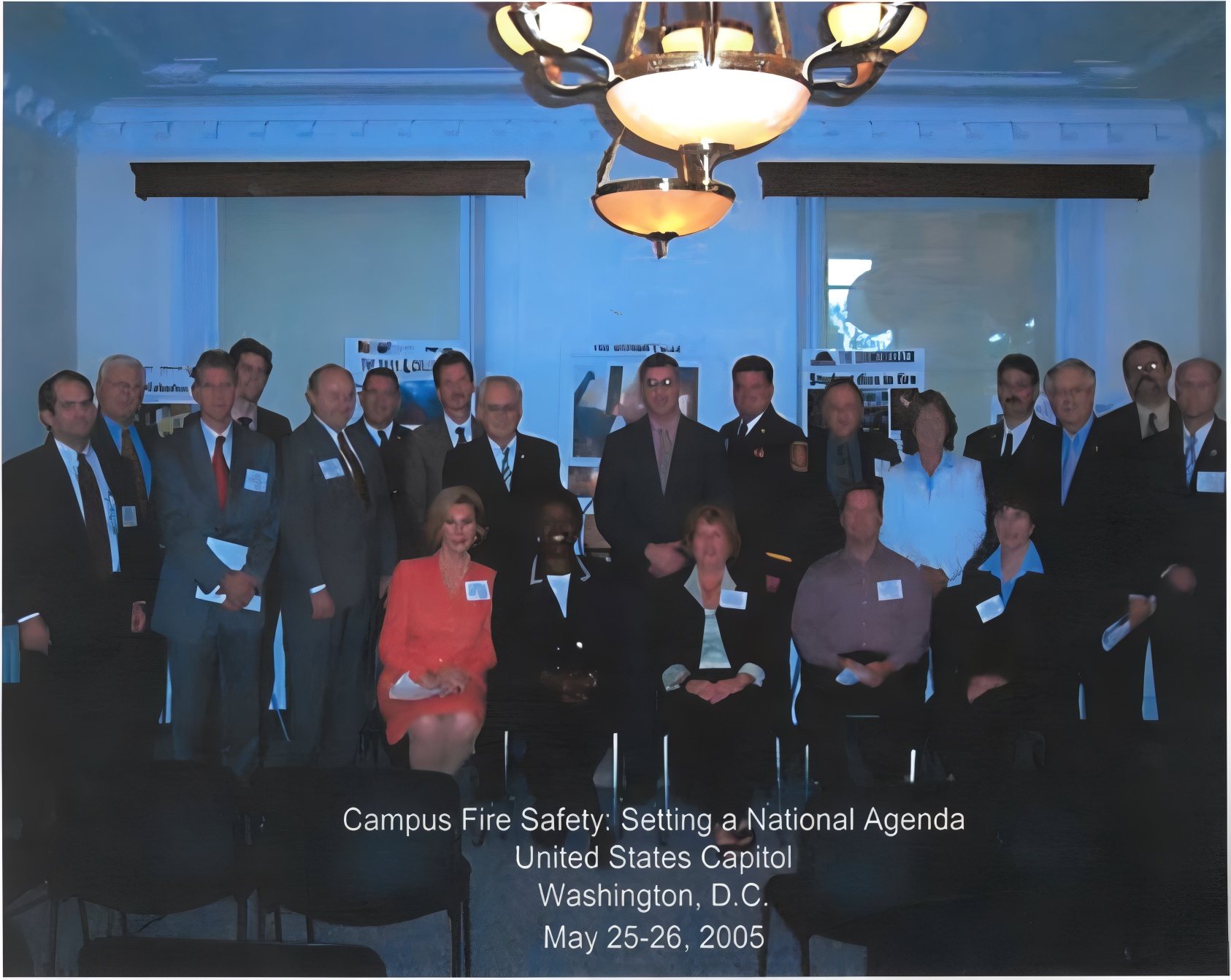 Campus Fire Safety Month (CFSM) was created on Capitol Hill during a summit of fire safety professionals, advocates, and congressional leaders invited to Campus Fire Safety: Setting a National Agenda. Campus Fire Safety Month (CFSM) was created on Capitol Hill during a summit of fire safety professionals, advocates, and congressional leaders invited to Campus Fire Safety: Setting a National Agenda.
The milestone event was organized by The Center for Campus Fire Safety (CCFS) founder Ed Comeau. Campus Fire Safety Month is held annually in September, to raise awareness about fire safety in college housing during the peak of student move-in season. CCFS and university fire officials send letters to governors requesting proclamations to officially designate September as Campus Fire Safety Month in their states. The effort is supported at the national level by multiple bipartisan Senate Resolutions, the most recent in 2020 sponsored by Senator Susan Collins of Maine.
September was chosen as the month for Campus Fire Safety Month because it is the time of year that students are returning to campus residence halls and off-campus housing. It is important to Inform students about fire safety and encourage fire safe practices as soon as they move into campus housing at the start of the new academic year.
|

“The excitement of moving into a new dorm or apartment often comes with new responsibilities including preparing meals safely,” said Lorraine Carli, vice president of Outreach and Advocacy at NFPA and CCFS Advisory Council member. “Cooking remains one of the most significant fire risks in student housing, with unattended cooking continuing to be the leading cause. Campus Fire Safety Month is an opportunity to remind students that small actions such as staying in the kitchen while cooking and keeping anything that can burn away from the stovetop, can prevent devastating fires.”
NFPA and CCFS offer several tips and resources for cooking safely, including these key messages:
- Stay alert and present. Do not cook if you’re tired or drowsy from medicine or alcohol. Stay in the kitchen when you are frying, boiling, grilling, or broiling food. Turn off the burner if you leave the kitchen for any reason.
- Keep flammables away from heat sources. Keep anything that can catch fire – oven mitts, wooden utensils, food packaging, towels or curtains – away from your stovetop.
- Be prepared for emergencies. Always have a lid within reach to smother small grease fires. Turn off the burner. Do not move the pan. To keep the fire from restarting, leave the lid on until the pan has cooled. If you have any doubt about fighting a small fire, get outside, close the door behind you, and call 911 from outside the home.
NFPA and CCFS offer tips for safely using, storing, and charging lithium-ion batteries to help prevent fires:
- Review campus policies. Some dormitories have rules about charging micromobility devices like e-bikes and e-scooters. Review your college/university’s policies before using these devices.
- Buy only listed products. When buying a product that uses a lithium-ion battery, look for a safety certification mark. This means it meets important safety standards.
- Charge devices safely. Only use the charging equipment provided with your device, stop charging once full, and never charge overnight or with damaged chargers/batteries.
- Store devices properly. Keep your batteries away from extreme temperatures, direct sunlight, and flammable items, and never block an exit with charging or stored devices.
|
FOR EDUCATORS AND FIRE SAFETY OFFICIALS:
HELPFUL STUDENT RESOURCES:
free tools, resources, and safety tips: Free Flyers, Posters, Videos, Safety Tips and More.
CCFS Student Fire Safety Statistics
CCFS has been tracking on-campus and off-campus student fire deaths that have occurred since January 2000, including Greek housing and residences within a three-mile radius of college or university campuses.
Tragically, 134 student lives were lost with 114 of these in off-campus housing since January 2000. Fortunately, these tragedies have been trending down, but we have to maintain our fire prevention efforts.
|
|