- Home
- About
- Membership
- Learning Center
- Tuesday Training
- Webinar Wednesdays
- Campus Coffee Breaks
- Knowledge Byte Webinars
- Training by others
- Call For Presenters
- Activities
- Resources
- Job Board
- Apparel
|
|
|||||||||||||||||

Welcome to CCFS Webinar Wednesday |
 |
 |
 |
 |
Webinar Wednesday Schedule
Presenter Info |
Webinar Info |
|
Please visit our Webinar Archives Archives |
Call for Speakers!!!!! Our 2026 Webinar Schedule is still coming together now. Want to present a webinar or series of webinars? If you would like to be considered as a webinar speaker, simply click the Webinar Presenter link below and submit your request online. Our Webinar Training Committee will review your request and get back to you! I WANT TO PRESENT |
|
2026 WEBINARS |
|
|
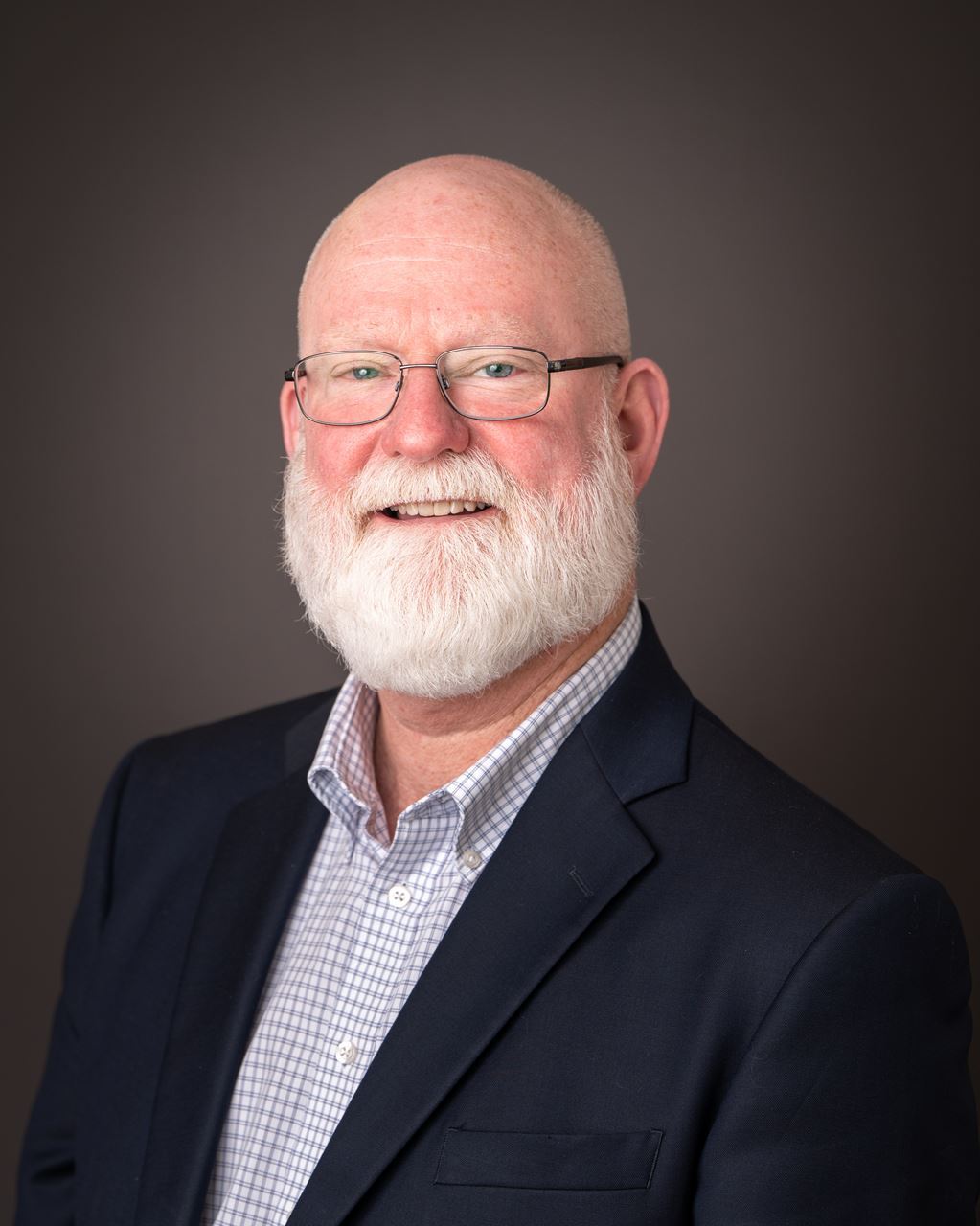
Richard Roberts Senior Industry Affairs Manager, Honeywell Building Automation Mr. Roberts has over 35 years in the fire alarm and life safety markets that spans the installation, sales, and the development of products/systems. He is a member of thirteen NFPA Technical Committees, several ICC Fire Code Action Committee (FCAC) Working Groups, and the Model Codes Committee of the National Association of State Fire Marshals (NASFM). Mr. Roberts serves on the Board of Directors for the Fire and Life Safety Section (FLSS) of the International Association of Fire Chiefs (IAFC), Center for Campus Fire Safety (CCFS), and is the Chair of the Safer Buildings Coaltion (SBC) Codes & Standards Committee as well as a member.
|
October 7th, 2026 | 1 PM - 2 PM ET
Sneak Peak of the Key Changes to the 2027 ICC and NFPA Model Codes
ICC Course # 52013
 VIDEO OF PRESENTATION
An informative 60 minute discussion that provides an overview of the new requirements in the International Code Council (ICC) and National Fire Protection Association (NFPA) model codes for fuel-gas detection, in-building emergency responder communications (ERCES), carbon monoxide (CO) detection, detection for waste sorting/transfer operations, remote system access, smoke detection in sleeping lofts, audible notification in areas of occupied roofs, mass notification risk analysis requirerment for other than Group E having a lockdown plan, and lithium ion battery energy storage systems (ESS). Presentation Agenda:
REGISTER HERE |
|
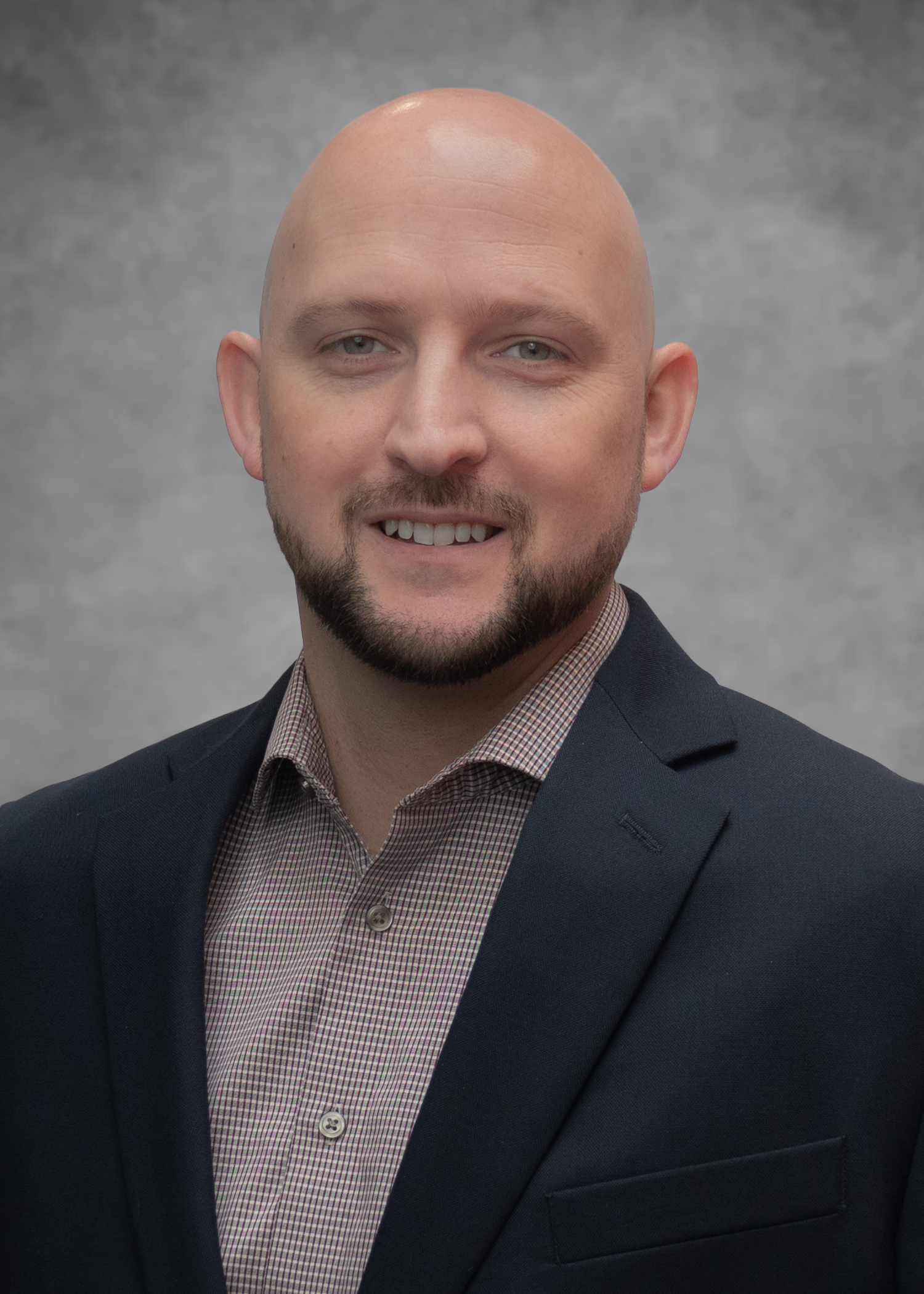
Matthew Royal Director of Sales, Non-Healthcare, REMEDI8 Matthew Royal serves as Director of Sales, Non-Healthcare Division, for REMEDI8®, leading strategic sales initiatives across the United States and partnering with organizations to strengthen fire and life safety compliance programs. With more than eight years of experience in the fire and life safety industry, he has worked with higher education institutions, hospitality organizations, government agencies, and commercial facilities to develop comprehensive compliance strategies focused on risk reduction, regulatory readiness, and long-term asset management.
Douglas Sidebottom Vice President of National Accounts
|
October 28th, 2026 | 1 PM - 1:30 PM ET
When Seconds Matter: Turning Emergency Preparedness Plans into Action  A written emergency plan is an important foundation for campus safety, but its effectiveness ultimately depends on whether building occupants know what to do when an emergency actually occurs. This 30-minute session will explore practical strategies for strengthening emergency preparedness and evacuation planning across college and university campuses. Attendees will examine common gaps between written emergency plans and real-world execution, including unclear responsibilities, ineffective communication, outdated procedures, and insufficient wayfinding. Special attention will be given to evacuation maps and visual emergency information as tools for translating an emergency plan into clear, actionable direction for students, faculty, staff, visitors, and first responders. The session will also address how campuses can maintain effective plans and maps as buildings, occupancy, and facility conditions change. Participants will leave with practical considerations they can use to evaluate their current emergency preparedness program and identify opportunities to improve campus evacuation readiness.
REGISTER HERE |
|
Elco Gauw President, Kinetic Parking Solutions Elco Gauw is President of Kinetic Parking Solutions and a micromobility infrastructure specialist focused on the safety, planning, and operational challenges created by the rapid adoption of cycling, e-bikes, and electric micromobility. His work centers on integrating safe, scalable micromobility infrastructure into commercial and institutional environments, with a particular emphasis on mitigating lithium-ion battery fire risk through purpose-built solutions such as fire-resistant battery charging cylinders and secure battery charging lockers. Elco works closely with facilities, risk, and design teams to implement practical infrastructure that supports e-bike adoption while aligning with fire-life-safety and operational requirements
Michael Dunn Risk Mitigation and e-Infrastructure specialist at Kinetic Parking Solutions Michael Dunn, Risk Mitigation and e-Infrastructure specialist at Kinetic Parking Solutions. Together they bring over 30 years of combined experience in the micromobility space, having delivered bike parking and charging infrastructure across North America. They regularly contribute to discussions on battery-charging risk management, micromobility infrastructure planning, and best practices for protecting people, property, and operations. |
December 2nd, 2026 | 1 PM - 2:00 PM ET
Mitigating Fire Risk in e-Bike Battery Charging
The rapid growth of e-bikes and electric micromobility has introduced a new and often under-addressed risk profile: unmanaged lithium-ion battery charging, storage, and use occurring outside of traditional fire-safety planning. As reliance on e-bikes grows, institutions are grappling with where and how batteries are charged, how risks are controlled, and how responsibility is assigned across facilities, housing, and safety teams. This webinar explores the emerging fire and operational challenges associated with lithium-ion batteries, including common failure points, behavioral risks, and infrastructure gaps. It examines why ad-hoc solutions — in-room charging, hallway storage, improvised charging rooms — often increase risk rather than reduce it, and introduces purpose-built infrastructure approaches designed specifically to mitigate battery-related fire risk, including fire-resistant charging cylinders and secure charging lockers. Participants will come away with a practical framework for evaluating charging options, along with steps that can be taken immediately, at no cost, to reduce risk while longer-term infrastructure decisions are made.
|